
Why Smartphone Local Searches Turn Into Same-Day Store Visits (And What Owners Can Do About It)
 Mary W. Dooley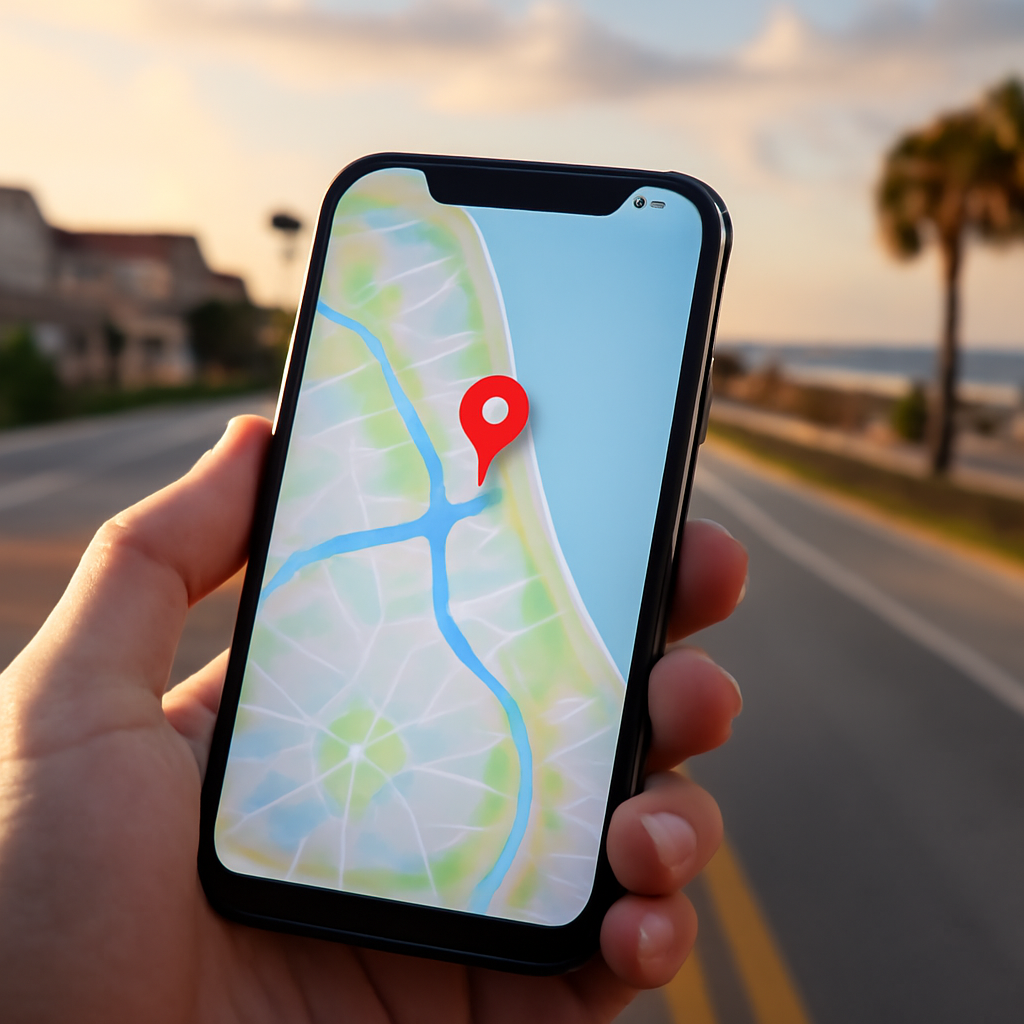
Mobile local searches convert into same-day store visits at strikingly high rates. Google has reported for years that searches with local intent convert at much higher rates than general queries, and roughly three out of four people who run a local search on their smartphone end up visiting a related business within 24 hours. About 28 percent of those visits result in a purchase. Brick-and-mortar owners who understand this shift in shopper behavior have a real advantage over competitors who still treat local search like an afterthought.
The Shopper Mindset Behind a Mobile Local Search
A desktop search and a mobile local search are two different things. Someone tapping “tire shop near me” while sitting in a parking lot has a flat or a slow leak. They’re not comparing brands. They want directions, hours, and a phone number. That urgency changes everything about how a business should think about its online presence.
Researchers who study consumer behavior often describe this as a “micro-moment,” a brief window where a customer needs help and reaches for the nearest device. The business that answers fastest, most clearly, and most conveniently usually wins the visit. There’s rarely a second chance. If a phone search returns a closed competitor, an outdated address, or a website that won’t load, the customer scrolls to the next option and the opportunity is gone.
Industry studies have consistently shown that mobile users are far less patient than desktop users. A delay of even a few seconds in loading a site can cost a business a customer who was already halfway out the door with cash in hand.
What Does “Near Me” Actually Mean Now?
The phrase “near me” used to dominate local search queries. Google has actually stopped emphasizing it because the location signal is now baked into almost every mobile query. When someone searches for “pizza,” “auto repair,” or “hair salon” on a phone, the search engine assumes proximity matters and weights results accordingly. That’s a subtle but enormous shift.
For a storefront, location signals are doing heavy lifting whether the owner realizes it or not. A verified business profile, a consistent address across the web, accurate hours, and recent customer reviews all feed into whether the business shows up at the top of those results. Miss any one of them and ranking suffers.
The Three-Pack Is the Real Front Door
Most mobile local searches surface what’s often called the local three-pack, a small map with three business listings just below it. Studies have suggested that these three listings can capture more than 70 percent of clicks on the page. Everything below them, including organic results, fights for the leftovers.
Getting into that three-pack isn’t a mystery. It comes down to proximity to the searcher, relevance to the query, and prominence based on reviews, citations, and overall web presence. Businesses that treat their public business profile as a living asset, updating photos, responding to reviews, and posting current offers, tend to climb steadily over time.
How Do You Turn a Search Into a Same-Day Sale?
Showing up in the results is only half the battle. The other half is converting that searcher into someone who actually walks through the door. A few things tend to separate the businesses that capture same-day visits from the ones that just look pretty in search results:
- Phone numbers that are tappable directly from the listing, with a real person or quick voicemail on the other end during business hours.
- Hours that are accurate down to the holiday, because nothing kills trust faster than driving across town to a locked door.
- Photos that show the inside of the store, the staff, parking, and what someone can actually expect when they arrive.
- Recent reviews with thoughtful owner responses, which signal that the business is active and cares about its customers.
- A mobile-friendly website that loads in under three seconds and puts directions, hours, and contact info at the top.
None of these are expensive fixes. Most cost nothing but attention. Yet many storefronts still have business profiles with the wrong hours, photos from a decade ago, or no responses to reviews left months earlier.
Why Does Consistency Across the Web Matter?
One of the quieter factors in local search ranking is something marketers call NAP consistency, meaning the name, address, and phone number of the business should be identical everywhere it appears online. If a directory lists “Main St.” and another lists “Main Street,” or if an old phone number is still floating around on a forgotten listing, search engines lose confidence in the data. That uncertainty can push a business down the rankings or out of the three-pack entirely.
Cleaning up citations across the web isn’t glamorous work, but it’s one of the highest-leverage moves a local business can make. Free tools exist that scan the major directories and flag inconsistencies, which gives owners a starting point without needing a marketing degree.
Capitalizing on Intent in the Moment
Smart storefronts have started designing their entire mobile presence around the idea that the searcher is probably nearby and probably ready to buy. That might mean running a small ad campaign targeting people within a few miles during peak hours. It might mean posting same-day specials directly to the business profile so they appear in search. It might mean training the front-desk staff to answer the phone differently when they know a caller likely just looked them up two minutes ago.
Some businesses have started experimenting with what’s sometimes called conversion tracking from local listings, which gives them a clearer picture of how many phone calls, direction requests, and website visits are coming from search. That data, once collected over a few months, tends to reveal patterns that change how owners spend their marketing budget.
The Walk-In Customer of 2026 Looks Different
Today’s walk-in customer has usually done more research in the parking lot than yesterday’s customer did at home. They’ve read reviews. They’ve looked at photos. They’ve compared two or three options. By the time they open the door, they’ve already decided this is the place. The job of the business at that point is simply to not disappoint them.
That puts a premium on the experience that begins long before anyone steps inside. The search result, the photos, the reviews, and the website all combine to form a first impression that’s largely out of the owner’s hands once it’s published. The businesses that take it seriously are the ones quietly winning more same-day sales while their competitors wonder why foot traffic feels slower than it used to.
Local search isn’t a trend anymore. It’s the front door of nearly every brick-and-mortar business in the country, whether the owner has hung a welcome sign on it or not.
FAQ
How quickly do mobile local searches turn into store visits?
Roughly three out of four people who run a local search on their smartphone end up visiting a related business within 24 hours, and about 28 percent of those visits result in a purchase.
How can a storefront get into the local three-pack?
Ranking in the three-pack comes down to proximity to the searcher, relevance to the query, and prominence based on reviews, citations, and overall web presence. Keeping a verified business profile with accurate hours, current photos, and owner responses to reviews helps a business climb over time.
What is NAP consistency and why does it matter?
NAP consistency means the business name, address, and phone number are identical across every directory and listing on the web. If a directory lists “Main St.” and another lists “Main Street,” or an old phone number is still floating around, search engines lose confidence in the data and can push the business down in the rankings or out of the three-pack.
Related coverage
- How SEO Can Transform Your Business: A Comprehensive Guide for Business Owners
- Local SEO Explained: How to Rank Your Business in Nearby Searches