
Local Search Statistics That Reveal What Shoppers Really Do Before Visiting a Store
 Mary W. Dooley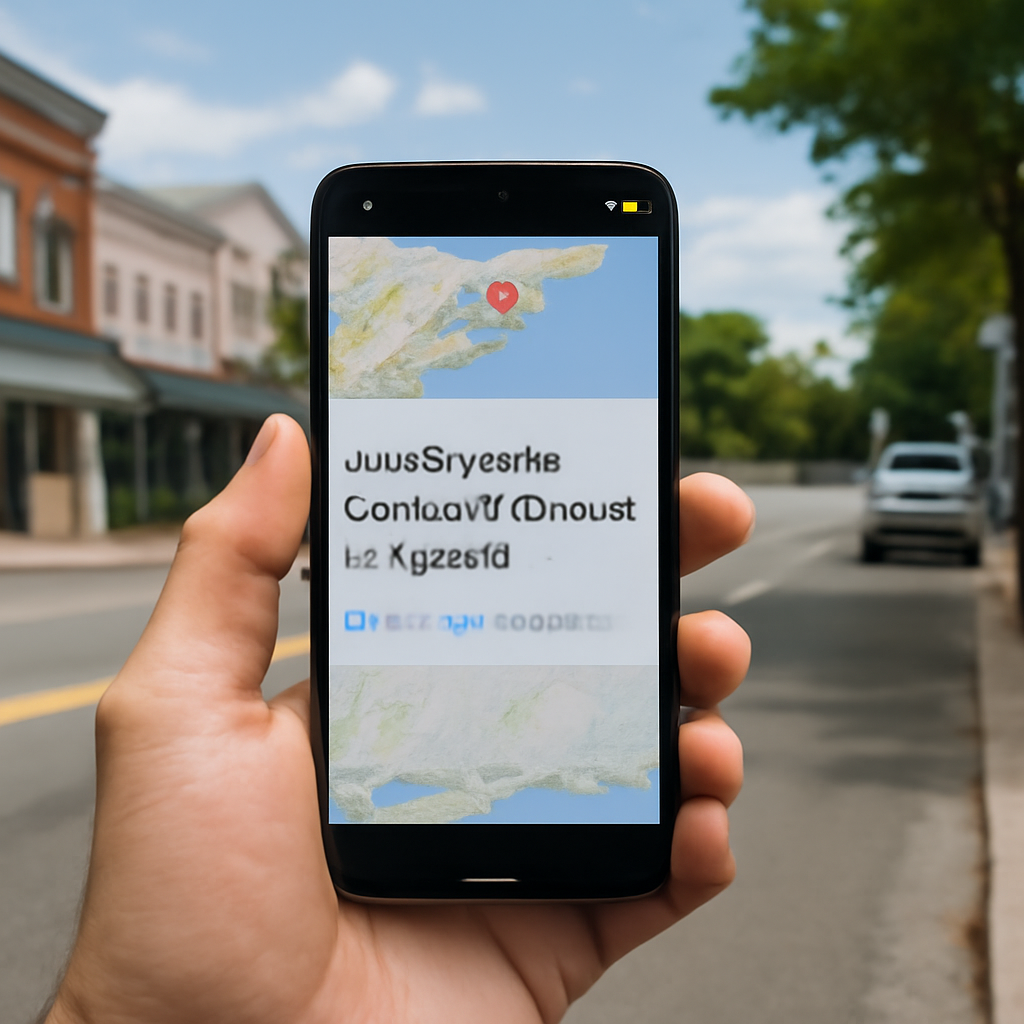
Roughly 76% of people who search for something nearby on a smartphone visit a related business within 24 hours, and about 28% of those searches end in a same-day purchase. Those two numbers explain why local search has become the front door for shops, restaurants, repair garages, and showrooms. For owners of physical businesses, the stats below show how nearby customers find them, what makes them pick one place over another, and where small changes to listings and websites pay off fastest.
Below is a look at the local search statistics that matter most right now, what they mean for daily operations, and where business owners can actually do something about them.
Do local searches actually bring people into the store?
Google has reported for years that roughly 76% of people who search for something nearby on their smartphone visit a related business within 24 hours. About 28% of those searches end in a purchase. That second number is the one worth staring at for a minute. More than a quarter of nearby searches result in someone spending money the same day.
For a small business with a steady stream of local queries, that’s a meaningful slice of revenue tied directly to how findable the storefront is online. A bakery, a chiropractor’s office, a tire shop, all of them benefit from showing up when the search happens, not later. Same-day intent is the engine behind local search, and it doesn’t wait.
Why “near me” searches keep climbing
Searches that include phrases like “near me” or “open now” have grown more than 500% over recent years according to multiple industry trackers. People use those filters to narrow to businesses that are physically close, currently operating, and ready to serve them right this minute. A listing without accurate hours, a phone number that connects, or location data kept current can get filtered out before a human ever sees it.
Is mobile the main way people search locally?
Roughly 60% of all Google searches now happen on mobile devices, and for local-intent queries the share climbs higher. Some studies put mobile’s share of local search above 80%. That shifts how a business should think about its own digital presence. A website that loads slowly on a phone, or a map listing that doesn’t render properly, isn’t a minor inconvenience anymore. It’s a missed sale.
Page speed matters too. Google’s research has found that as page load time goes from one second to three seconds, the probability of a mobile visitor bouncing increases by 32%. At five seconds, it jumps to 90%. Local shoppers are impatient by nature because they’re often searching while driving, walking, or standing in a parking lot deciding where to go next.
How much do map results matter compared to regular links?
When someone runs a local search, the map results that appear near the top of the page (often called the local pack or the local three-pack) capture a disproportionate amount of clicks. Studies from various SEO research firms have shown that the local pack draws somewhere between 33% and 44% of all clicks on a local search results page. The organic results below it split the rest.
Translation: appearing in those three map results is worth a lot. Businesses that don’t show up there are essentially competing for scraps, even if their website ranks reasonably well in the traditional blue links underneath.
Do reviews really change where a business shows up?
Review signals factor into both where a business ranks and whether searchers click through. BrightLocal’s annual consumer survey has consistently found that around 87% of consumers read online reviews for local businesses, and roughly half won’t even consider a business with fewer than four stars. The number of reviews matters too, not just the average. A business with 12 reviews at 4.9 stars often loses out to a competitor with 200 reviews at 4.5 stars, simply because volume signals trust.
Recency plays a role as well. Surveys suggest most consumers consider reviews older than three months to be stale. A storefront that hasn’t picked up a fresh review since last year may look frozen in time, even if the experience inside is excellent.
How does voice search change local discovery?
Voice queries through smart speakers and phone assistants tend to be longer and more conversational than typed ones. Someone typing might search “best pizza Long Island.” That same person speaking to a phone is more likely to say “where can I get a good pizza around here that’s open right now.” Businesses that have written their site copy and listing descriptions in a natural, question-friendly way tend to perform better on these queries.
Estimates vary, but somewhere around 20% to 25% of mobile searches are now voice-driven, and that figure climbs each year. Voice users skew toward immediate action too. They’re often looking for directions, hours, or a phone number, not background reading.
How much does listing accuracy affect a business?
Local search studies have found that inconsistent business information across the web can knock listings down in rankings and lose customers outright. One often-cited figure suggests that 80% of consumers lose trust in a business when they spot incorrect or inconsistent contact details online. Wrong phone number on one directory, outdated address on another, mismatched business hours on a third. Each one chips away at credibility.
There’s also a practical side. When someone calls a number that goes nowhere, or shows up at an address that’s no longer accurate, they don’t typically try again. They go to a competitor. And the algorithms watch this behavior. Repeated negative signals (bounces, low engagement, complaints) can pull a listing down in the rankings over time.
How many sources do shoppers check before choosing?
Research from various market firms has found that local shoppers typically consult somewhere between three and six different sources before settling on a business. They might look at Google, then Yelp, then a Facebook page, then maybe scan a couple of review aggregators. Each of those touchpoints is an opportunity to either reinforce a positive impression or introduce doubt.
This is why a polished Google Business Profile alone isn’t enough anymore. The brand experience needs to feel consistent everywhere a potential customer might wander. Photos, descriptions, services offered, all of it should align across platforms so the journey from search to storefront feels confident, not confusing.
What should a business owner actually do with all of this?
Read individually, each of these statistics is interesting. Read together, they sketch a clear pattern. Local customers search on their phones, expect fast answers, trust businesses that look established and reviewed, and act quickly once they decide. The window between “I should find a place” and “I’m walking in the door” can be less than an hour.
For brick-and-mortar owners, the practical takeaway is straightforward. Keep listings accurate. Encourage real reviews and respond to them. Make sure the website works on a phone. Pay attention to how the business appears in map results, not just web results. And treat local SEO as ongoing maintenance, not a one-time project.
The statistics keep shifting year over year, but the broader trend doesn’t. Local search isn’t a side channel anymore. For physical businesses, it’s often the front door.
Related coverage
- Local SEO – How to Get Your Business Noticed in Search Results
- What is Local Search Engine Optimization (SEO)?