How to Rank in Google’s Local 3-Pack: A Step-by-Step Optimization Playbook
 Mary W. Dooley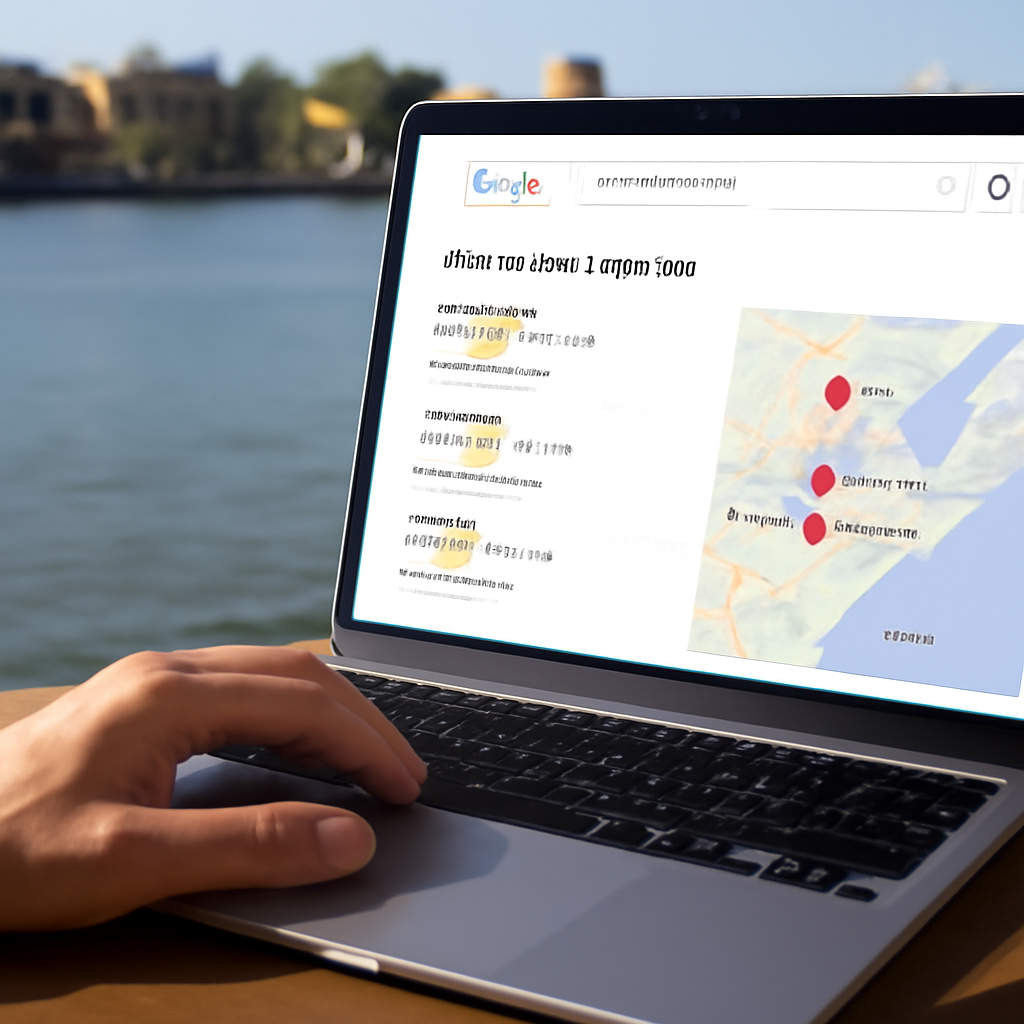
The local 3-pack is the three-business block that appears below the ads and above the organic results on Google for local searches. It grabs roughly 44% of clicks on local queries according to data from BrightLocal’s annual consumer surveys. For a brick-and-mortar business, landing one of those three spots can mean a steady stream of walk-in customers instead of an empty parking lot.
Getting there takes a methodical process that combines Google Business Profile optimization, on-page SEO, review management, and a few technical signals most small business owners overlook. Here is how the work actually gets done.
What the Local 3-Pack Actually Measures
Google evaluates local results based on three factors: relevance, distance, and prominence. Relevance asks whether a business matches what someone is searching for. Distance is how close the business is to the searcher. Prominence reflects how well-known and trusted the business appears to be, both online and offline.
Distance is mostly out of a business owner’s hands. Relevance and prominence are the battleground.
Step One: Claim and Fully Complete the Google Business Profile
A claimed profile is just the starting line. Google rewards profiles that are 100% complete, and completion means filling out every field the platform offers.
That includes primary and secondary categories, business hours including holiday hours, a detailed business description that uses natural language and relevant keywords, services with descriptions, attributes like “wheelchair accessible” or “free Wi-Fi,” and a Q&A section that is actively monitored. Businesses that take an hour to fill in every field tend to outperform competitors who leave half the profile blank.
Category Selection Matters More Than People Realize
The primary category carries the most weight. A bakery that also sells coffee should pick “Bakery” as primary, not “Coffee Shop,” unless coffee is actually the main revenue driver. Secondary categories cover related searches without diluting the main signal. Local SEO specialists often recommend the most specific category available. “Italian Restaurant” beats “Restaurant” almost every time.
Step Two: Get Serious About Reviews
Reviews are one of the strongest prominence signals Google uses. Quantity matters, recency matters, and the words inside the reviews matter too. A business with 200 reviews from the last three years will typically outrank one with 400 reviews that mostly came in 2019.
The smartest businesses build review generation into daily operations. A simple follow-up text or email after a service, with a direct link to the review form, can double or triple review velocity. Responding to every review, positive and negative, signals to Google that the business is active and engaged. Reviews that mention specific services or neighborhoods also help with keyword relevance, so businesses that prompt customers to describe what they bought or where they came from get a quiet ranking boost.
Step Three: Build a Local On-Page SEO Foundation
The Google Business Profile does not operate in isolation. Google cross-references it with the business website, and a weak website holds back even the best profile.
Every location should have a dedicated page on the website with the address, phone number, hours, embedded map, and unique content about that specific location. Title tags should include the city or neighborhood plus the primary service. Schema markup, specifically LocalBusiness schema, helps Google understand the business at a structural level. Page speed matters too, especially on mobile, because most local searches happen on phones.
Content That Targets Local Intent
Generic service pages do not compete well in local search. Pages that mention nearby landmarks, neighborhoods, and zip codes tend to perform better. A plumber serving the Long Island area, for instance, might create separate pages for service in Nassau County, Suffolk County, and individual towns within each. Each page needs genuinely useful content, not just a list of zip codes stuffed into a template. Google’s algorithms catch that pretty quickly these days.
Step Four: Citations and Local Link Building
Citations are mentions of the business name, address, and phone number across the web. They appear on directories like Yelp, Yellow Pages, industry-specific sites, and chamber of commerce listings. The more high-quality citations a business has, the more Google trusts that the business is legitimate and established.
Local links carry weight too. A link from the local newspaper, a nearby nonprofit the business sponsors, or a partner business in the same town can boost local rankings more than a generic backlink from a high-authority site. Sponsoring a youth sports team or hosting a community event often produces these kinds of links naturally. Many SEO professionals consider local link building one of the most underutilized tactics in the playbook.
Step Five: Photos, Posts, and Ongoing Activity
Google tracks how active a business is on its profile. Profiles that get new photos added regularly, that publish Google Posts about promotions or events, and that respond quickly to questions tend to outrank stagnant profiles. Adding ten or twenty photos at launch and never touching the profile again is a missed opportunity.
Photos should be original, high quality, and geotagged when possible. Interior shots, exterior shots from multiple angles, team photos, and product or service photos all contribute. Some research suggests businesses with more than 100 photos on their profile receive significantly more direction requests and clicks to their website than those with fewer.
Step Six: Track, Measure, Adjust
Local SEO is not a one-time setup. Rankings shift constantly based on competitor activity, Google algorithm updates, and seasonal trends. The businesses that hold their 3-pack positions long-term are the ones treating local SEO as an ongoing process.
Tools like Google Business Profile Insights, local rank trackers, and review monitoring software give a real picture of what is working. Tracking calls, direction requests, and website clicks from the profile each month reveals which optimizations actually move the needle. When something stops working, the data points to where to dig in next.
The Realistic Timeline
Ranking in the 3-pack rarely happens overnight. Most businesses see meaningful movement within three to six months of consistent effort, though competitive industries in dense markets can take longer. Patience and consistency beat short-term hacks every time. The businesses that win the local 3-pack tend to be the ones that show up, do the work, and keep doing it long after their competitors have given up.
Related coverage
- Local SEO Explained: How to Rank Your Business in Nearby Searches
- What is Local Search Engine Optimization (SEO)?